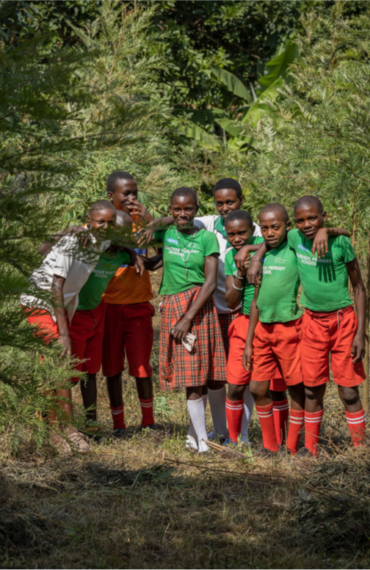
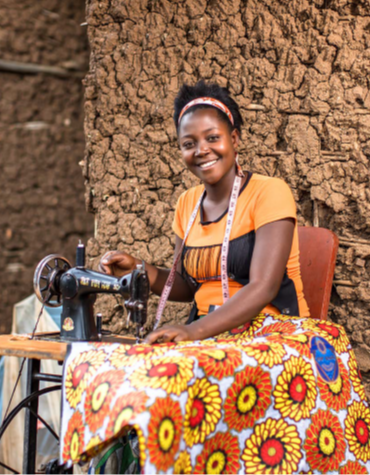
Gender equality is a fundamental human right and a critical pillar for sustainable development, social justice, and community resilience. In Kamwenge District, particularly within Rwamwanja Refugee Settlement and the surrounding host communities, achieving gender equality remains essential for improving the well-being of women, men, girls, and boys. The region hosts both refugee and host populations that face challenges such as poverty, gender-based violence, limited economic opportunities, and unequal access to education and leadership.
Shared Path Uganda plays an important role in supporting vulnerable communities by promoting inclusion, empowerment, protection, and equal opportunities for all. Through community engagement and development initiatives, the organization contributes to creating environments where women and men can participate equally in social, economic, and community life.
Gender Equality Situation in Rwamwanja and Surrounding Areas
Rwamwanja Refugee Settlement is home to thousands of refugees, mainly from the Democratic Republic of Congo, who live alongside Ugandan host communities. While significant progress has been made in promoting gender equality, many women and girls continue to experience challenges that limit their full participation in development.
These challenges include:
Gender-Based Violence
Women and girls remain vulnerable to domestic violence, sexual exploitation, child marriage, and other forms of abuse. Gender-based violence negatively affects health, education, livelihoods, and community cohesion. Shared Path Uganda working in Rwamwanja continue to prioritize prevention, awareness creation, and survivor support services.
Limited Economic Opportunities
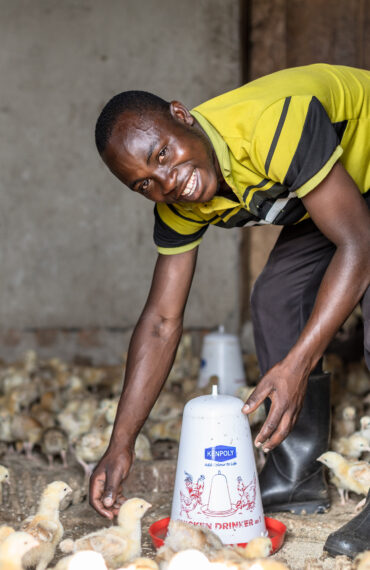
Many women, especially refugees, have limited access to land, financial resources, vocational training, and employment opportunities. Economic dependence often increases vulnerability and reduces decision-making power within households. Community initiatives that support women’s entrepreneurship and livelihoods have proven effective in improving household welfare.
Education and Skills Development
Girls often face barriers to education due to poverty, household responsibilities, early marriage, and teenage pregnancy. Expanding access to education and vocational training remains critical for empowering young women and girls to become self-reliant and active contributors to society.
Unequal Participation in Leadership
Women are still underrepresented in leadership and decision-making structures within communities. Promoting women’s participation in community committees, local governance, and development initiatives is essential for inclusive and equitable development.
Shared Path Uganda contributes to advancing gender equality by supporting interventions that empower women, girls, youth, and vulnerable households in both refugee and host communities. The organization’s work aligns with the broader goal of creating inclusive communities where everyone has equal access to opportunities and services.
Through community-based programs, Shared Path Uganda seeks to:
- Promote gender awareness and positive social norms.
- Strengthen women’s economic empowerment through skills development and livelihood opportunities.
- Support community efforts to prevent and respond to gender-based violence.
- Encourage girls’ education and youth empowerment.
- Foster peaceful coexistence between refugee and host communities.
- Promote inclusive participation of women and youth in community leadership and decision-making processes.
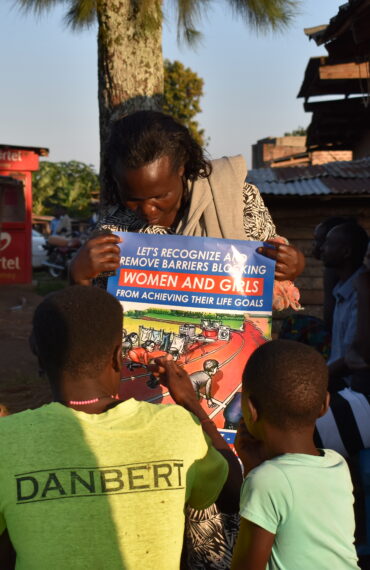
By engaging local leaders, community groups, women, men, and youth, Shared Path Uganda helps address harmful gender stereotypes while promoting mutual respect, equality, and social inclusion.
Achievements and Positive Changes
Efforts by Shared Path Uganda, humanitarian agencies, local leaders, and development partners have contributed to several positive outcomes in Kamwenge and Rwamwanja, including:
- Increased awareness of gender rights and responsibilities.
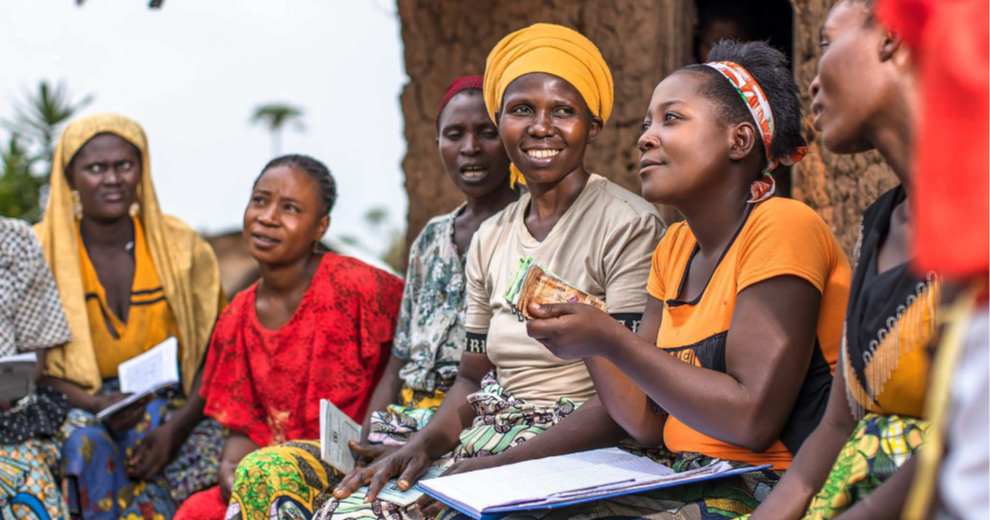
- Improved participation of women in savings groups and income-generating activities.
- Enhanced access to skills training for women and youth.
- Greater community engagement in preventing gender-based violence.
- Improved collaboration between refugee and host communities.
- Increased confidence among women to participate in leadership and community decision-making.
These achievements demonstrate that when women and girls are empowered, entire communities benefit through improved livelihoods, education, health, and social cohesion.
Recommendations
To further strengthen gender equality in Kamwenge District and Rwamwanja Refugee Settlement, stakeholders should:
- Expand economic empowerment opportunities for women and girls.
- Strengthen community mechanisms for preventing and responding to gender-based violence.
- Promote equal access to education for girls and boys.
- Engage men and boys as partners in advancing gender equality.
- Increase women’s representation in leadership and governance structures.
- Support youth-focused initiatives that challenge harmful gender norms.
- Strengthen partnerships among local organizations, government institutions, refugee leaders, and development partners.
Gender equality is essential for building resilient, peaceful, and prosperous communities in Kamwenge District, Rwamwanja Refugee Settlement, and the surrounding areas. Although challenges remain, continued efforts by organizations such as Shared Path Uganda, together with government institutions, community leaders, and development partners, are helping to create positive change. By empowering women and girls, promoting equal opportunities, and addressing gender-based violence, communities can achieve sustainable development and improve the quality of life for both refugees and host populations.